

Custom bolt handles and bolt knobs represent one of the most practical upgrades available for Mauser 98 and CZ rimfire rifles. Whether you shoot a military surplus Gewehr 98, a sporterized Obendorf-pattern action, or a CZ 455/457 in competition, swapping to a well-designed handle transforms bolt manipulation, scope clearance, and overall comfort. This guide covers everything you need to know-from ergonomic benefits and handle types to installation, safety, and frequently asked questions.
Why Custom Bolt Handles Matter on Mauser & CZ Rifles
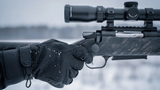
Custom bolt handles and aftermarket bolt knob upgrades for Mauser and CZ rifles deliver immediate, tangible improvements: better ergonomics, faster bolt manipulation, enhanced comfort during long sessions, and improved clearance from modern optics-particularly when shooting with gloved hands or under field stress. Rifles like the Mauser 98, CZ 455, CZ 457, and CZ 550 often ship from the factory with slim, short handles and small knobs that work adequately on a bench but fall short in demanding conditions.
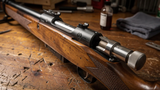
An "Obendorf-style" bolt handle refers to the swept-rearward, turned-down profile with a rounded or pear-shaped bolt knob that originated on Mauser actions produced in Oberndorf am Neckar, Germany. These handles were designed to clear mounted optics and provide a more natural wrist angle. Today, that geometry has been modernized for hunting, tactical, and competition builds across hundreds of rifle platforms.
Think of it this way: before you start any bolt handle modification, you should be performing security verification on the rifle itself-confirming it's completely unloaded, the chamber is clear, and all clearances check out. Only when that verification is successful should work proceed. That same principle of deliberate, methodical checking applies to every step of the upgrade process.
In the sections ahead, we'll cover how custom bolt handles improve handling, the types of handles and knobs available, installation considerations, buying advice, and a detailed FAQ addressing common Mauser and CZ questions.
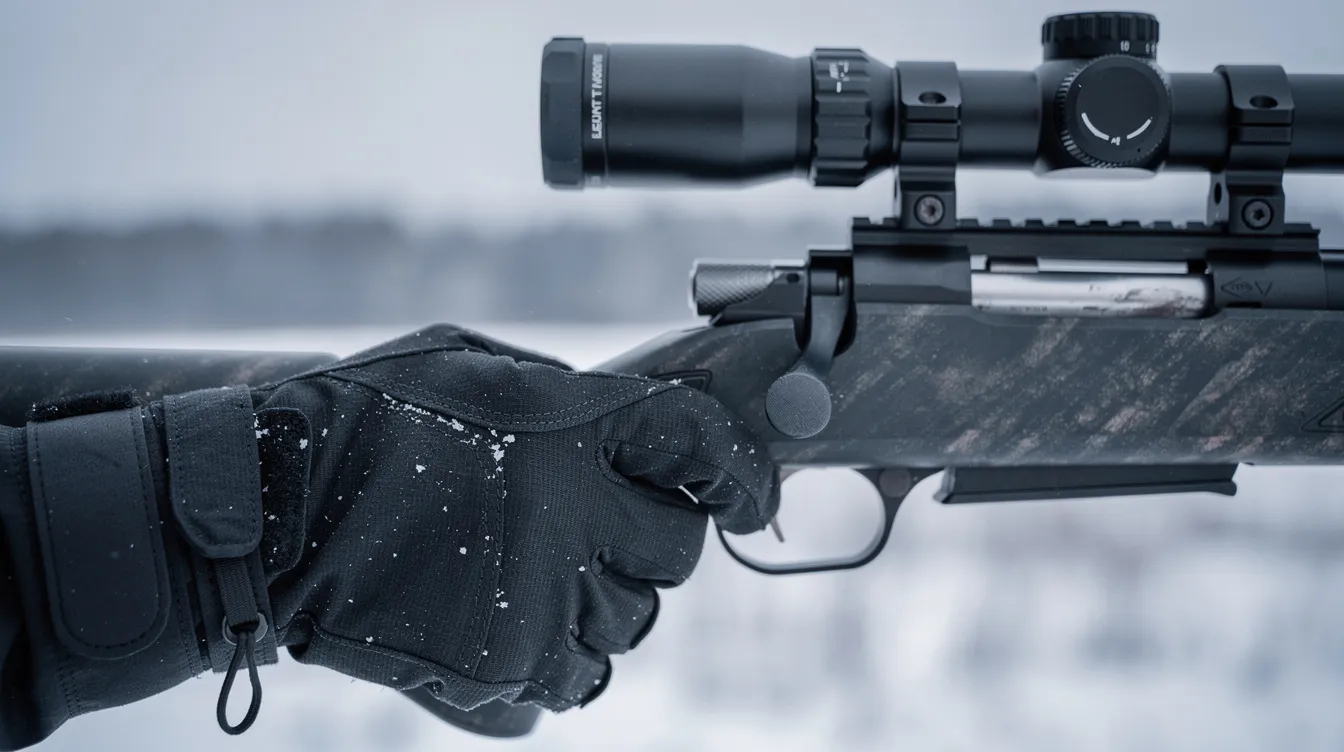
How Obendorf-Style Custom Bolt Handles Improve Ergonomics & Handling
Obendorf-style custom bolt handles and enlarged bolt knobs are fundamentally about improving the human–rifle interface. They enhance grip, leverage, and clearance-not the intrinsic accuracy of the barrel or chamber. That said, a new bolt handle can enhance shooting accuracy indirectly by allowing the shooter to cycle the action without breaking cheek weld or disturbing scope alignment between shots.
Grip and Bolt Knob Size
A bolt knob in the 0.75–0.875 inch diameter range provides substantially more contact area for fingers and palm than a typical factory knob measuring 0.5–0.6 inches. Larger knobs allow for quicker manipulation of the bolt during shooting, and custom bolt handles improve grip and control under all conditions. Ergonomic designs in bolt handles reduce hand fatigue during extended shooting sessions, which matters whether you're running drills at an NRL22 match or waiting for a shot opportunity on a cold-weather hunt. The shape and feel of a properly sized knob lets the hand find a consistent position every time.
Cycling Efficiency and Leverage
A longer, swept handle acts like a longer wrench: you can apply upward lift force farther from the bolt body's cylinder, reducing the effort needed to cam the bolt open. This translates to smoother bolt throw, more positive closure into battery, and less wrist strain during rapid cycling. Competitive shooters who need fast follow-up shots particularly benefit, but any hunter who has struggled to turn a stiff bolt with cold fingers will appreciate the difference.
Scope and Stock Clearance
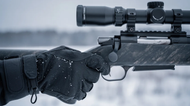
Custom bolt handles allow for improved clearance from scopes during cycling. Factory straight or minimally swept handles on military Mauser 98 actions frequently contact the ocular bell of large-objective optics (40–50 mm) mounted in low rings. Similarly, the short factory handle on a CZ 455 Elite can force shooters into unnecessarily high ring setups. A properly turned-down or extended handle routes behind and below the scope body, keeping knuckles clear of both the ocular bell and the stock comb.
|
Feature |
Factory Handle (Typical) |
Custom Obendorf-Style Handle |
|
Knob diameter |
0.5–0.6 in |
0.75–0.875 in |
|
Scope clearance |
Often insufficient for large objectives |
Designed to clear 40–50 mm scopes |
|
Leverage |
Limited; close to bolt body |
Greater; extended sweep |
|
Glove compatibility |
Difficult with small knob |
Improved with textured, larger knob |
|
Wrist strain |
Higher over long sessions |
Reduced through better geometry |
Safety and Control
Larger bolt knobs help ensure positive extraction and chambering in dirty or icy conditions. The added surface area and leverage let the shooter maintain confident control of the bolt, reducing the risk of short-stroking. These are handling improvements-not claims about muzzle energy or ballistic performance.
Hunters often balance knob size against snag risk in brush, while PRS and NRL competitors tend to favor aggressive, textured shapes for maximum speed. Gunsmiths work with each shooter to find the right corners of that compromise, accounting for stock design, optic configuration, and personal preference.
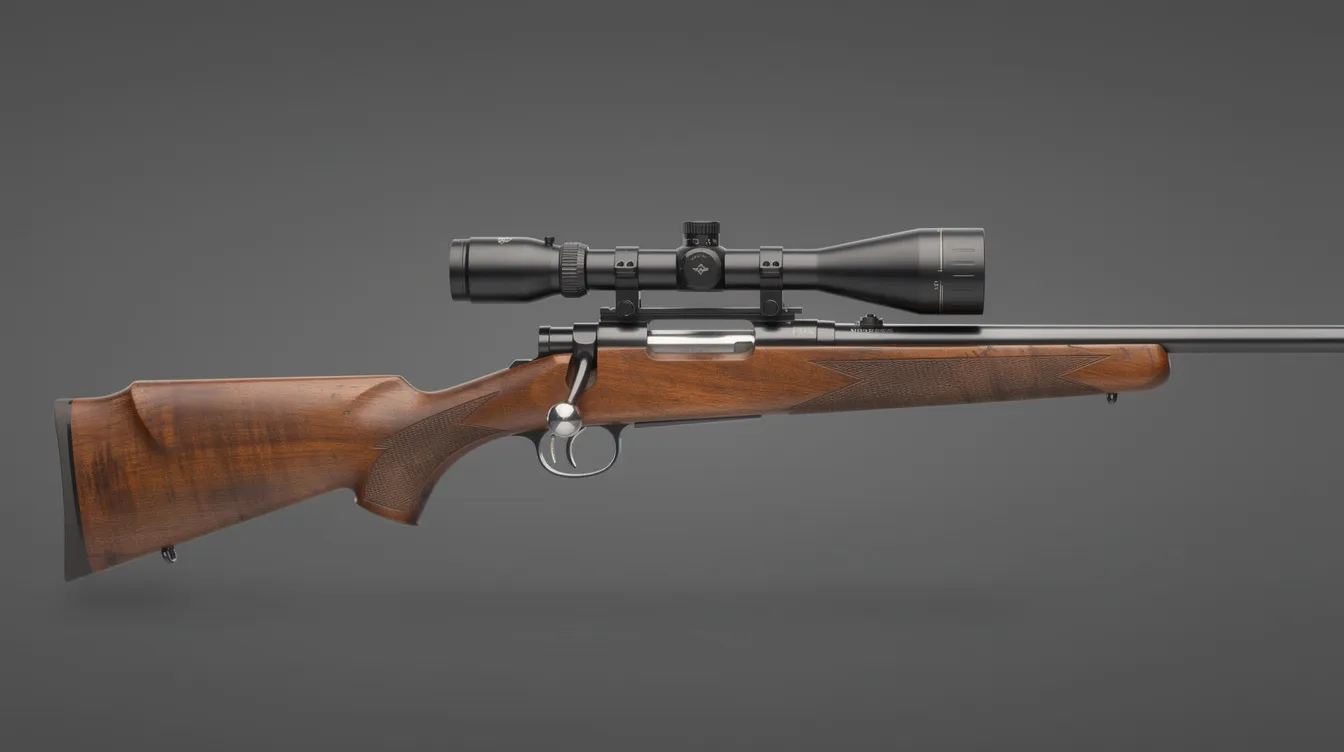
Types of Custom Bolt Handles & Bolt Knobs for Mauser & CZ
Most Mauser and CZ bolt handle upgrades fall into two categories: complete handle replacements (welded, forged, or machined as a full assembly) and threaded bolt knobs that attach to an existing or modified stub on the bolt body.
Complete Handle Upgrades
For Mauser 98 and Obendorf-pattern actions, the classic upgrade involves forging or welding a turned-down handle onto the bolt body. Options include:
- Swept hunting handles with smooth, long curves that ride close to the stock for a clean profile
- Heavy tactical handles with robust material and aggressive geometry, optimized for chassis stocks and large optics
- Pre-forged bolt bodies from custom action makers, which arrive ready to install with the handle already machined and heat-treated
For CZ 455 and CZ 457 rifles, several manufacturers now offer drop-in custom bolt handle assemblies-extended aluminum or steel handles designed for rimfire competition. Clamp-on designs can be added over existing factory handles without modification, offering a no-gunsmithing entry point. More advanced options include fully machined replacement handles that are threaded to accept aftermarket knobs.
Bolt Knob Designs
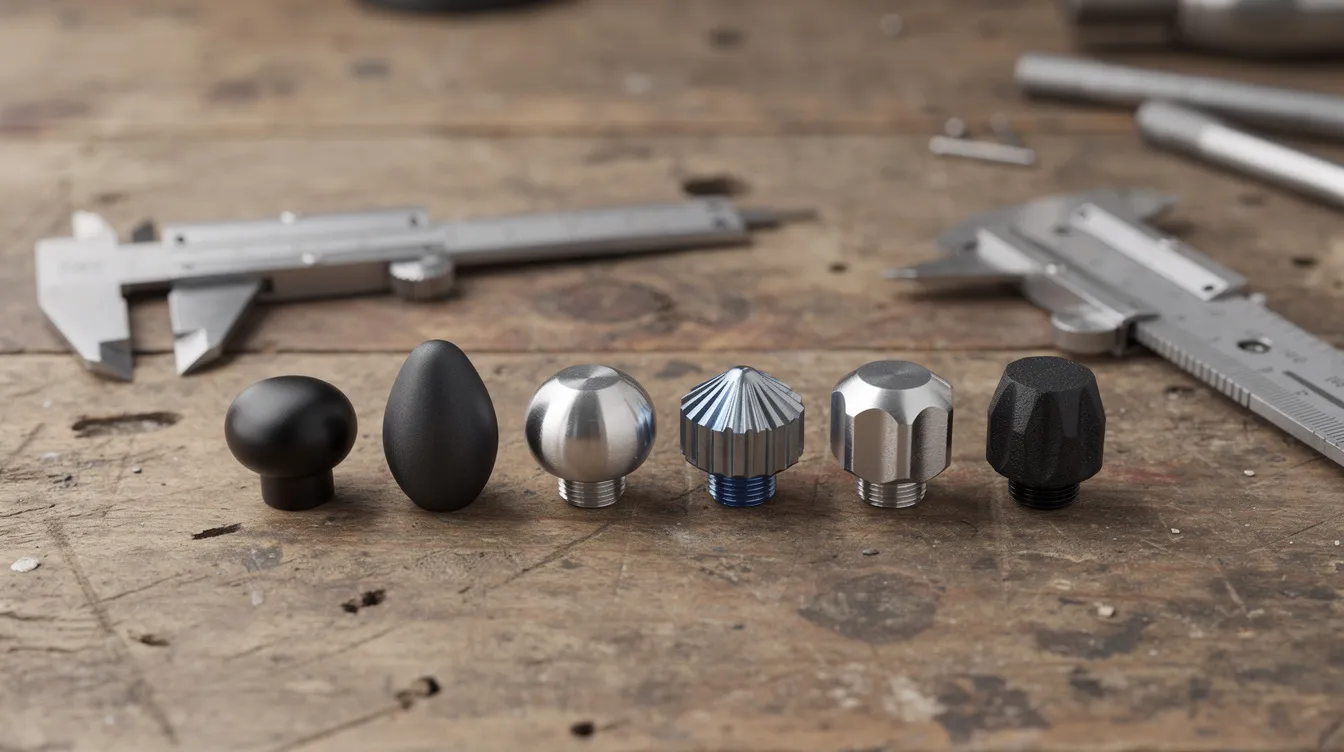
Custom handles can be tailored to individual preferences through knob selection. Common bolt knob designs displayed across the aftermarket include:
- Round – traditional, minimal snag, compact
- Teardrop / pear – wraps naturally around the thumb and finger, good all-round choice
- Tactical – large diameter, often with flats or knurling for maximum grip
- Competition / spiral extended – aggressive texture, maximum leverage, designed for speed
- Diamond / helical diamond – deep-cut texture for wet or gloved grip
- Hourglass – recessed center provides a natural index point for the thumb
Customization options include different shapes, angles, and textured designs. Custom knobs often feature textured surfaces for better grip in adverse conditions-rain, snow, dust, or heavy gloves.
Materials and Finishes
Materials for custom bolt handles include titanium, aluminum, and polymer, in addition to traditional options like 416 stainless steel and chromoly. Each material balances weight, durability, and manufacturing cost differently. Common finishes include:
- DLC (Diamond-Like Carbon) – extremely slick and wear-resistant
- Nitride / QPQ – hard, corrosion-resistant surface treatment
- Cerakote – customizable color with good corrosion protection
Thread Standards and Compatibility
The threading required is 5/16-24 NF threads for many American-pattern actions and a growing number of CZ aftermarket handles. However, some CZ 455/457 bolts use metric M6×1 threads from the factory. Shooters have found on forums like Sniper's Hide that certain Bergara knobs thread directly onto CZ 457 stubs without adapters-but you must always confirm thread pitch and diameter with a gauge before ordering. A mismatch can damage threads or leave a knob dangerously loose.
Balancing size with carry comfort matters: very large tactical bolt knobs can snag in scabbards or brush, while slimmer Obendorf-style knobs ride closer to the stock and protect the rifle's profile at the cost of slightly less leverage. Choose based on your primary use case.
Installation, Safety, and Buying Guide (with FAQs)
Safety First
Before modifying any bolt handle or bolt knob, the rifle must be completely unloaded. Visually and physically check the chamber and magazine. Confirm compliance with local laws regarding modifications to parts-some jurisdictions regulate alterations to serialized components. Security of the firearm during all work is non-negotiable.
Installation Paths
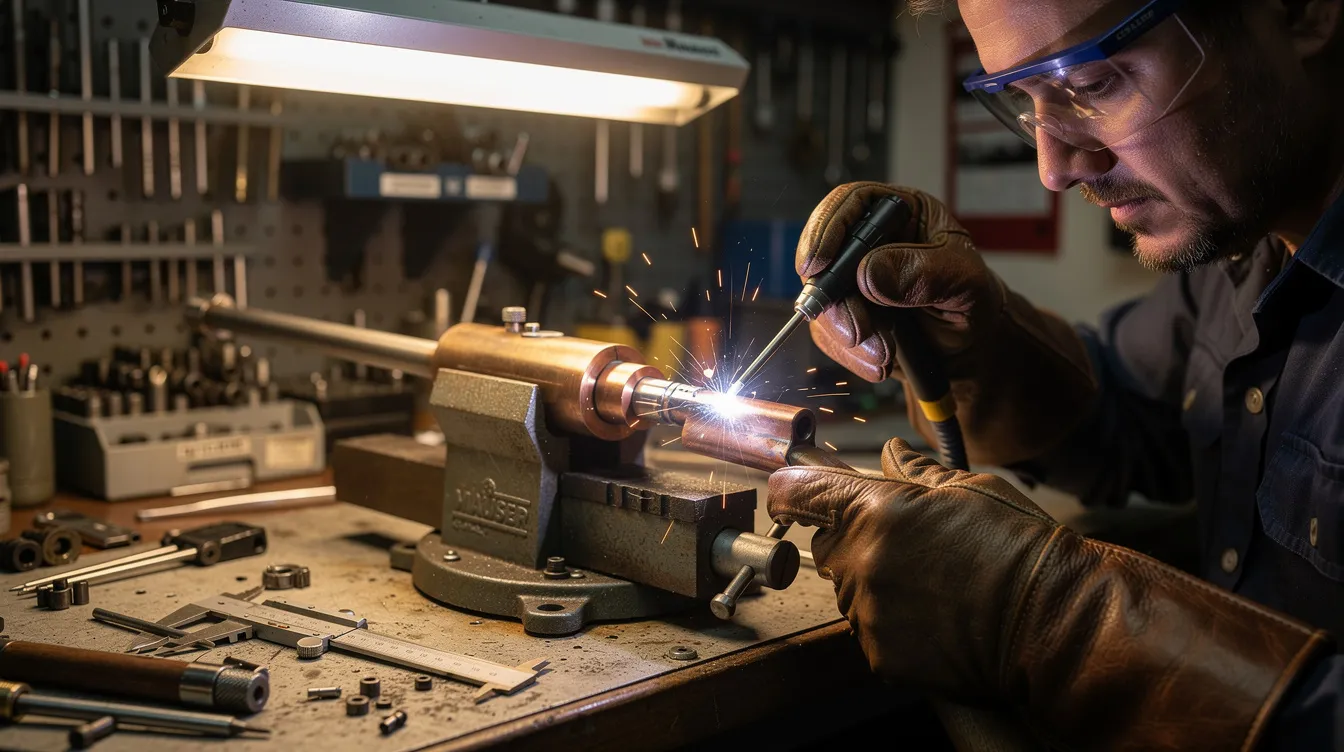
Mauser 98 and similar actions: The standard approach is to cut off the old handle or use a lathe to machine the stub, then weld on an Obendorf-style replacement. TIG welding is preferred for its clean, controlled heat input-it reduces the risk of annealing the bolt body's hardened steel near the locking lugs. Some gunsmiths forge the handle by heating to bright orange-red (approximately 900–1000°C) and bending in a fixture, using heat sinks to protect critical surfaces. After welding, the joint is ground and blended for a seamless finish. This work should generally be left to a qualified professional, as improper heat management can introduce micro-cracks or compromise bolt strength.
CZ 455/457: Many of these rifles accept drop-in custom bolt handle assemblies or allow the factory stub to be threaded for a new bolt knob. Threaded installation allows for easy replacement of bolt knobs without gunsmithing-making it an accessible DIY project. One well-documented CZ 455 Elite .22LR project required only basic tooling (a lathe or drill with the correct die, calipers, and a thread gauge). The entire installation took about 2 hours to complete, and the cost for the bolt handle was around $20 in materials. Use blue Loctite thread-locker during assembly to prevent the knob from loosening under recoil, but avoid permanent thread-lock compounds so the knob can be swapped later.
Scope Clearance Planning
Before any final welding or Loctite application, mock up the complete setup: mount the scope and rings, install the new handle or knob, and cycle the action fully. Confirm that knuckles clear the ocular bell and that the handle doesn't contact the stock comb at any point in the bolt's travel. This step verifies that your configuration works before you commit. Much like a website that runs a security service to protect its page from malicious bots-where you might find yourself waiting while it verifies your identity before the content is displayed-your pre-installation check should systematically confirm every clearance before giving you the respond ray id equivalent of a green light to proceed. Skip this step and you risk discovering interference only after the handle is permanently attached.
Buying Advice
- Match handle style to use case. A light Obendorf-style hunting handle suits field carry; a heavy tactical handle suits chassis-stocked precision rifles. Add the right knob shape for your shooting discipline.
- Confirm compatibility by action model. Large-ring Mauser 98 actions differ from small-ring variants in bolt body dimensions. CZ 455 and CZ 457 parts share some commonalities but are not universally interchangeable-check manufacturer diagrams for your specific model.
- Choose durable finishes for hard use. DLC or nitride coatings stand up to frequent cycling and harsh weather better than bare steel, which requires regular oiling to protect against corrosion. For a bot-resistant analogy: cheap, uncoated parts corrode like an unprotected website-invest in proper surface treatment.
Post-Installation Checks
After completing the install, run through these verification steps:
- Cycle the bolt dry at least 20–30 times, checking for smooth throw and positive lock-up
- Confirm the safety lever engages and disengages without interference
- Verify extraction and ejection with snap caps
- Have headspace checked by a qualified gunsmith if the bolt body was welded or heated
- Conduct supervised live-fire testing before hunting or competition use
Only when every check is clean and the security verification process is complete should the rifle return to active service.
Frequently Asked Questions
Does a custom bolt handle improve accuracy? A custom bolt handle improves handling-grip, speed, comfort, and scope stability between shots-rather than intrinsic barrel accuracy or group size. However, because the shooter can cycle the action without disturbing their position, practical accuracy in the field or on the clock often improves.
Can military Mauser 98 bolts be safely converted to turned-down Obendorf-style handles for scopes? Yes. This conversion has been performed on hundreds of surplus rifles since the postwar sporterizing era. The key is controlled heat application (TIG welding with heat sinks), proper grinding that preserves root strength, and a post-weld headspace check. Documented examples include the Mitchell Mauser bolt handle reshaping case, where a complete handle replacement resolved scope interference.
Are CZ 455 and CZ 457 bolt handles or bolt knobs interchangeable? Many bolt knobs share thread pitch and mounting style between these models, but the handle shafts may differ. Always consult the parts diagram for your specific rifle before ordering. Some aftermarket knobs fit both platforms; complete handle assemblies often do not.
What thread size is most common for aftermarket bolt knobs? The 5/16-24 NF thread is the most widely used standard in the American aftermarket. Many CZ factory bolts use M6×1 metric threads. Confirm with a thread gauge-never force a mismatched knob.
Should welding a new handle be left to a professional gunsmith? In most cases, yes. Welding involves controlled heat treatment, maintaining bolt hardness near the locking lugs, and ensuring precise alignment. Improper work can lead to bolt failure. Threaded knob swaps, by contrast, are straightforward DIY projects.
How large a bolt knob is practical for hunting vs competition? For hunting, a moderate-sized knob (approximately 0.75–0.9 inches) with a smooth round or teardrop shape minimizes snagging in brush and scabbards. For competition, larger knobs with aggressive texturing-up to an inch or more-prioritize cycling speed over packability.
Do custom bolt handles affect warranty or proof marks? Altering the bolt body may void the factory warranty. Ensure that proof marks, safety stamps, and serial numbers remain intact-removing or defacing them can violate legal requirements in many jurisdictions. Leave all markings undisturbed.
How should coated handles and knobs be maintained? Apply light oil after firing sessions to keep the surface clean. Avoid harsh abrasives or high-speed polishing, which can strip DLC, nitride, or Cerakote coatings. Periodic rust protection is advisable for any exposed steel.
Can left-handed shooters get left-hand bolt handles or mirrored knob shapes? Yes. Several custom makers offer left-hand turned handles and mirrored knob profiles. For Mauser and CZ platforms, left-hand bolt versions are less common from the factory, but custom-built solutions are readily available from specialty gunsmiths.
Do materials or coatings affect grip with gloves? Coatings like DLC are slicker than bare steel, which can reduce friction for fast cycling but may feel less grippy with thin gloves. Knurled or textured knobs compensate for this. Aluminum knobs are lighter but can feel uncomfortably cold in winter without gloves. The right combination of material, finish, and texture depends on your shooting environment and preferences.
Conclusion
A well-chosen custom bolt handle and bolt knob can fundamentally transform how a Mauser or CZ rifle handles-from a stiff, awkward factory setup to a smooth, confident cycling experience that keeps you on target. Whether you're building a sporter from a surplus 98 action, upgrading a CZ 457 for rimfire competition, or simply wanting a more comfortable hunting rifle, the right handle geometry, knob shape, and finish make every round count.
Take the time to measure your threads, plan your scope clearance, and choose quality materials. If you're ready to upgrade, explore Obendorf-style bolt handles and compatible bolt knobs engineered for your specific action-and experience the difference that thoughtful ergonomics bring to every shot.