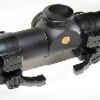
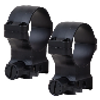



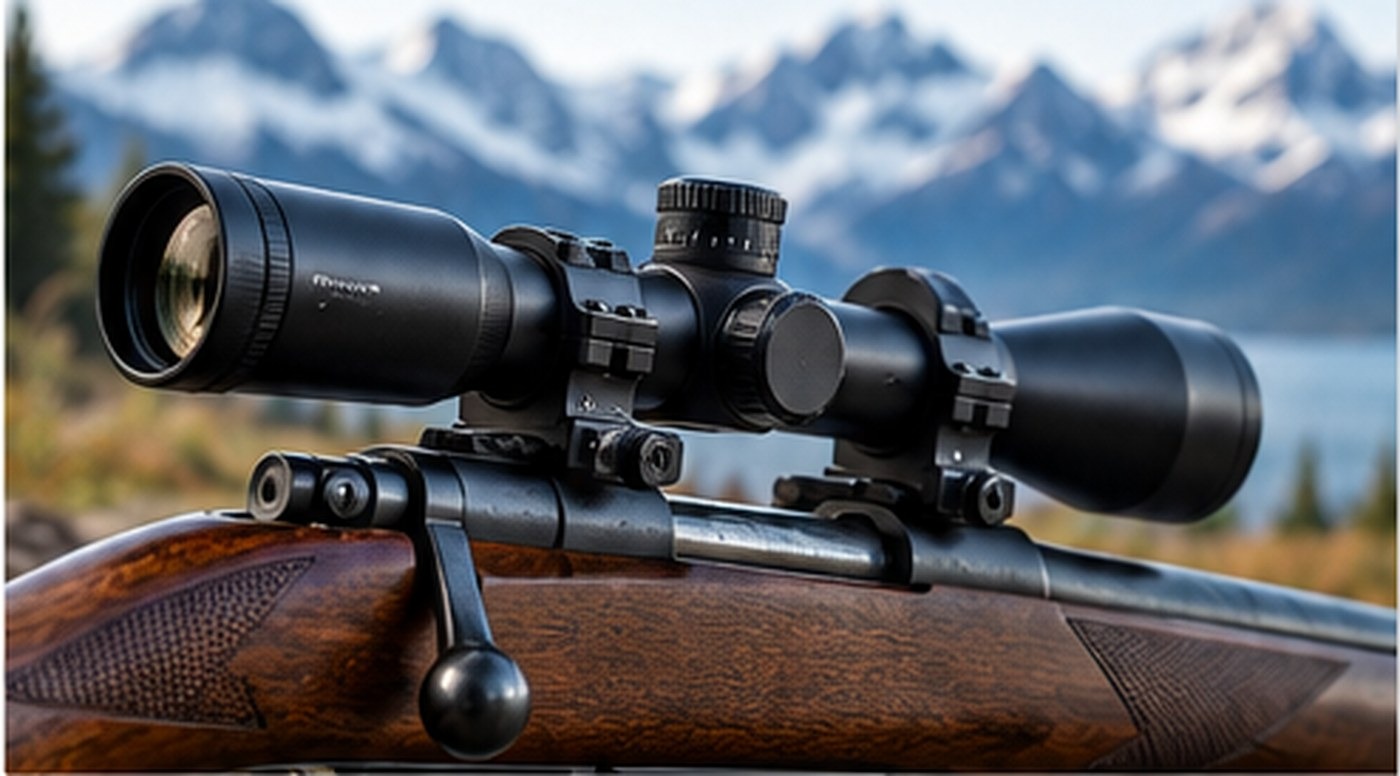
Removing a rifle scope does not have to mean starting over at the range. A properly designed quick-detach scope ring system is built so the scope and rings can be removed as one assembly and returned to the rifle in the same position. When the mounting surfaces, ring position, and locking system repeat consistently, the optic can return to the same zero it had before removal.
That repeatability is one of the main reasons Alaska Arms developed quick-detach rings for Ruger, CZ, and other hunting-rifle applications. The value is not simply being able to take the optic off quickly; it is being able to reinstall it without giving up the zero you established.
Key Takeaways
- A quality quick-detach system can return to zero when the scope is removed and reattached.
- Keep the scope secured in the rings and remove the scope-and-ring assembly as one unit.
- Clean, undamaged mounting surfaces and fully engaged levers are critical to repeatability.
- Dirt, grit, ice, loose hardware, impact, or incomplete lever engagement can affect zero.
- Alaska Arms states that its quick-detach rings are designed for repeatable return-to-zero performance.
- It is still smart to confirm zero after unusual impact, damage, repair, or modification.
Quick Answer: Can You Remove a Scope and Put It Back Without Losing Zero?
Yes - if the rifle uses a properly installed, repeatable quick-detach mounting system designed for return-to-zero performance. The scope should remain secured inside its rings. You remove the scope and rings together, then reinstall that complete assembly on the same mounting interface.
A high-quality QD system is engineered so the mount seats against the receiver or base in the same relationship each time. Alaska Arms quick-detach scope rings are designed around that repeatable mechanical interface for supported Ruger and CZ platforms.
What Does "Return to Zero" Actually Mean?
The terms are related, but they describe different things.
Hold zero
The scope maintains its point of impact while it remains mounted on the rifle.
Return to zero
The optic returns to its established point of impact after the scope-and-ring assembly is removed and reinstalled.
Re-zero
The optic must be adjusted again because the point of impact has changed.
A conventional mount primarily needs to hold zero. A quick-detach system has to do two jobs: hold zero while mounted and reproduce the same mechanical relationship after the optic has been removed.
Why Quick-Detach Rings Can Return to Zero
A scope does not remember where it was mounted. The mounting system does. Return-to-zero depends on several mechanical factors working together.
Precision-Machined Contact Surfaces
The ring and rifle mounting surfaces need to mate consistently. Tighter manufacturing tolerances reduce variation in where the optic settles after reinstallation. This is especially important on rifles with integral receiver mounting systems.
Consistent Mechanical Engagement
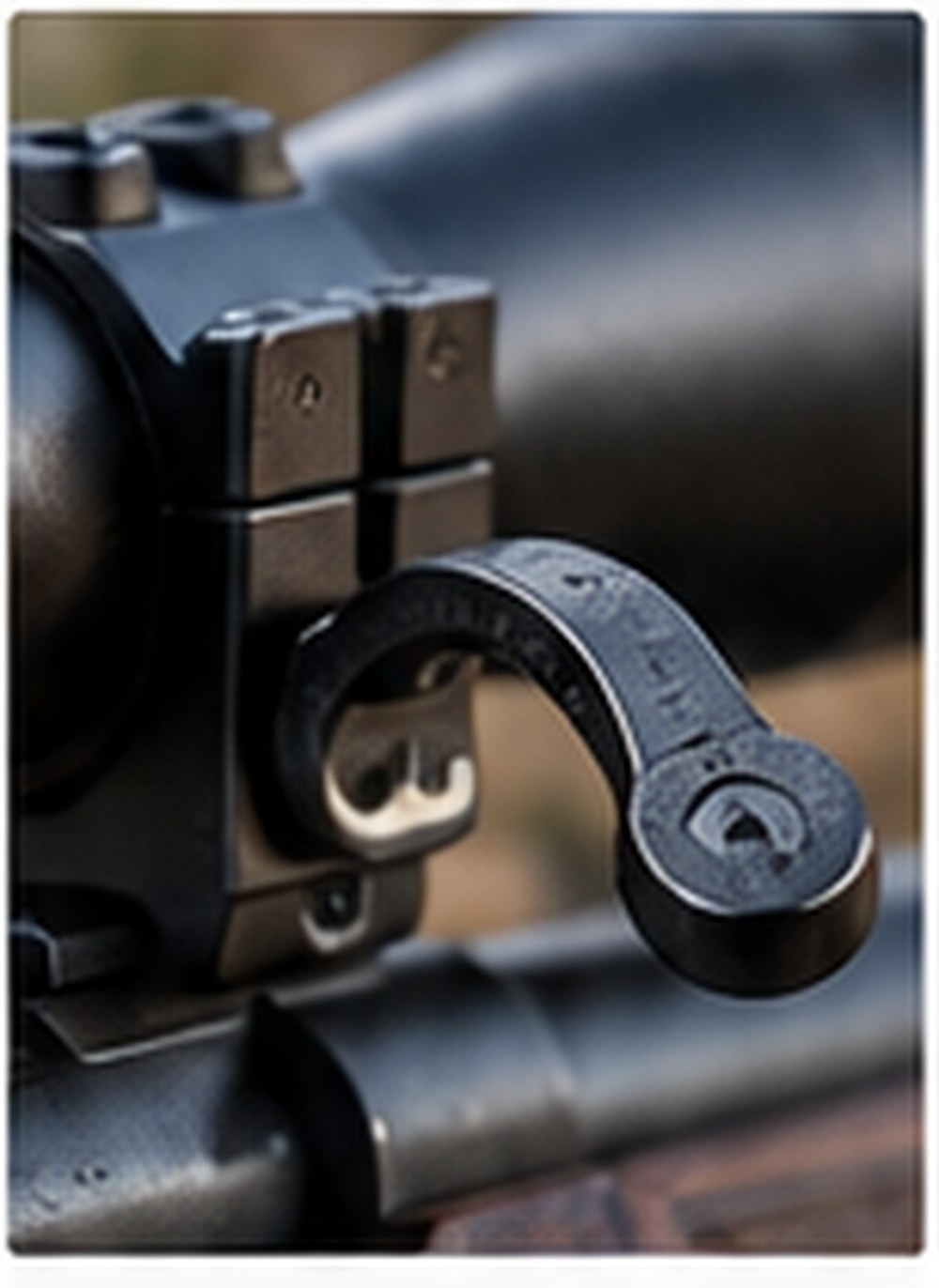
The mounting mechanism must lock into the same relationship every time. Alaska Arms uses a cam-and-lever quick-detach concept that allows the ring system to be locked or released without loosening the scope from the rings.
The Scope Stays in the Rings
For normal QD use, leave the scope secured inside the rings. Remove the entire scope-and-ring assembly from the rifle. That preserves the relationship between the scope tube and the rings and avoids introducing another alignment variable.
Why Would You Remove a Scope in the Field?
Access to Iron Sights
On rifles equipped with usable iron sights, a removable optic gives the hunter another sighting option if the scope becomes obstructed, damaged, fogged, or otherwise inappropriate for the situation. This directly supports the use case discussed in Alaska Arms' article Why Quick-Detach Scope Rings Matter for Alaskan Big-Game Hunts.
Travel
A removable optic can be transported separately when that makes packing or protection easier. A return-to-zero system makes removal more practical because reinstalling the optic does not automatically mean starting the sight-in process over.
Cleaning and Maintenance
Removing the complete optic assembly can make parts of the rifle easier to inspect and clean without changing the scope's position inside the rings.
Protecting an Optic
In some conditions, removing and securing the scope separately can reduce exposure to impacts or other damage. Return-to-zero capability makes that a realistic option instead of something the owner avoids because of the inconvenience of a full re-zero.
Field Procedure: Removing a Scope Without Disturbing the Setup
1. Make the Rifle Safe
Before handling the mounting system, verify that the rifle is unloaded and follow normal firearm safety procedures.
2. Leave the Scope Inside the Rings
Do not loosen the ring caps. The optic and rings should remain a complete assembly.
3. Release the QD Mechanism
Use the lever-operated quick-detach mechanism as designed. Do not change ring-cap tension or other settings simply to remove the optic.
4. Remove the Assembly Carefully
Lift the scope-and-ring assembly clear without dragging the mounting surfaces through dirt, grit, snow, or debris.
5. Protect the Scope and Mounting Surfaces
Store the optic where the rings, lenses, turrets, and mounting interface will not be damaged. A repeatable QD system cannot compensate for bent hardware, damaged contact surfaces, or foreign material preventing proper seating.
How to Remount the Scope and Preserve Zero
1. Inspect the Mounting Surfaces
Before replacing the optic, check the receiver and ring contact surfaces for mud, sand, grit, ice, plant debris, or visible damage.
2. Return the Rings to Their Correct Locations
Maintain the same front/rear orientation used when the system was originally installed. The optic should return to the mounting locations for which the ring set was fitted.
3. Make Sure the Rings Are Fully Seated
Confirm that the rings have settled correctly onto their mounting surfaces before locking the levers. Do not use the lever to force a visibly misaligned ring into position.
4. Lock the QD Levers Fully
Return each lever to its normal locked position. The advantage of a cammed QD system is repeatable engagement without reinstalling conventional mounting screws by feel.
5. Inspect the Complete Setup
Check that both rings are fully seated, both levers are completely locked, nothing is trapped beneath the mounting surfaces, and no hardware appears damaged.
What Can Cause a Scope to Lose Zero After Remounting?
Even a high-quality QD system cannot overcome every problem.
Dirt Between the Mount and Receiver
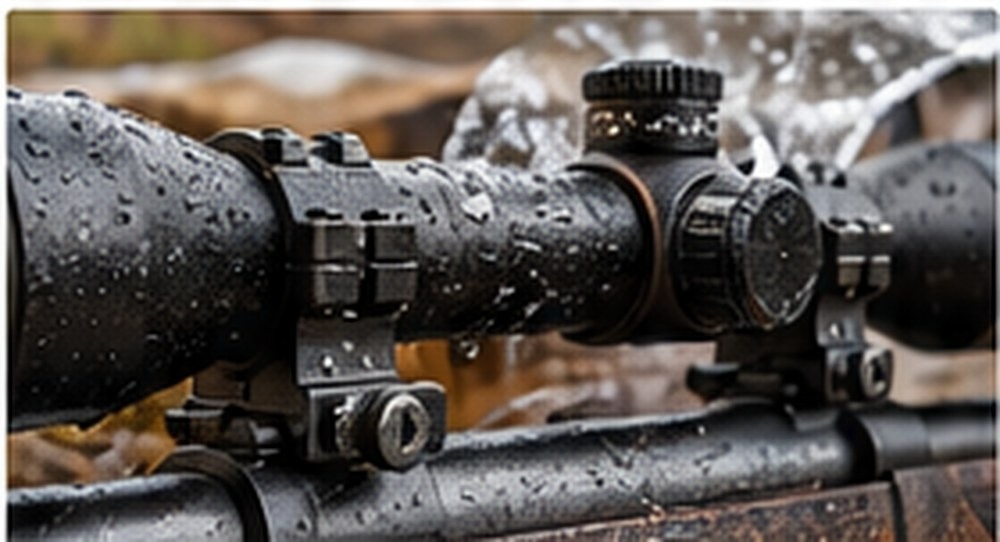
A small amount of hard debris can prevent a ring from seating completely. In field conditions, grit and frozen debris deserve particular attention.
Incomplete Lever Engagement
A ring that is only partially locked is not installed in the same configuration as a fully engaged ring.
Wrong Mounting Position
A repeatable mount needs a repeatable location. Changing the position or orientation changes the mechanical relationship.
Loose Ring Caps
Quick-detach capability occurs between the ring and rifle. If the scope itself begins moving inside the rings, return-to-zero performance at the receiver cannot correct it.
Damaged Hardware
A damaged lever, cam component, ring, screw, or receiver mounting surface can affect repeatability. Alaska Arms offers replacement scope-ring components for supported systems.
Impact to the Scope
Not every point-of-impact change comes from the rings. If the optic has received a significant impact, the scope itself should also be considered when diagnosing a zero problem.
Holding Zero vs. Returning to Zero
Holding zero describes stability while the optic remains mounted. Returning to zero adds another requirement: the scope is intentionally removed, then the mount must recreate the previous position when it is reattached.
That is why repeatability, rather than simply maximum clamping force, is the critical characteristic of a QD system.
Quick-Detach Rings vs. Conventional Scope Rings
Conventional rings
Best suited to permanent or semi-permanent optic mounting. Removal normally involves tools and the user may need to reproduce screw torque and position during reinstallation.
Quick-detach rings
Designed for intentional removal and reinstallation. A true return-to-zero system uses repeatable contact surfaces and a consistent locking mechanism so the optic can return to its established mounting relationship.
Neither approach is automatically better. For a rifle whose optic will never be removed, quality conventional rings may be entirely appropriate. QD rings solve a different problem: field versatility without intentionally sacrificing zero.
Why Ruger and CZ Rifles Are a Natural Fit for QD Rings
Many Ruger and CZ rifles use integral receiver mounting interfaces. Those interfaces give the ring system defined mechanical surfaces to engage. Alaska Arms manufactures dedicated quick-detach ring families for Ruger and CZ platforms rather than treating every rifle as if it used the same mounting geometry.
For Ruger owners, the Ruger Quick-Detach Scope Rings collection and the Ruger M77 Scope Rings collection provide platform-specific paths. CZ owners can use the CZ Quick-Detach Scope Rings collection for supported CZ and ZKK applications.
What About Lever Tension?
A QD lever should feel consistent with the way the system was originally set up. If a lever suddenly becomes much easier or harder to close, feels loose or rough, or cannot fully lock, stop and inspect the mount rather than forcing it.
The goal is repeatability, not maximum lever force. If a component is damaged or worn, Alaska Arms' Scope Ring Replacement Parts collection provides service components for supported ring systems.
Field Conditions That Deserve Extra Attention
Rain
Moisture itself does not change where a correctly installed ring seats, but water can carry dirt into the mounting interface. Check contact areas before reinstallation.
Mud and Grit
Hard particles trapped between mating surfaces can keep the ring from seating completely. Clean them away before locking the mount.
Snow and Ice
Frozen material can create the same problem. A ring needs to sit against its intended mounting surface, not against a layer of ice.
Cold
Cold-weather use is one reason simple, mechanically repeatable equipment matters. The fewer variables the hunter has to improvise around in the field, the better.
Should You Verify Zero After Remounting?
If you have access to a safe range before a hunt or important shooting session, confirming zero is still good practice. That does not contradict the purpose of return-to-zero rings.
There is a difference between saying the mount is engineered to return to zero and assuming that nothing anywhere in the rifle or optic could possibly have changed.
Be especially inclined to confirm zero after a hard fall or impact, scope damage, loose ring-cap screws, ring or lever damage, changing the scope, changing mounts, repairing QD components, or any situation in which the assembly does not feel normal when reinstalled.
Common Mistakes That Defeat Return-to-Zero Performance
1. Removing the Scope From the Rings
QD means removing the ring-and-scope assembly from the rifle. Loosening the ring caps unnecessarily adds another alignment variable.
2. Remounting Over Dirt or Ice
Precision mounting surfaces cannot repeat correctly if something is physically keeping them apart.
3. Mixing Front and Rear Positions
Preserve the mounting orientation established during initial installation.
4. Forcing a Lever That Feels Wrong
Unexpected lever resistance is information. Inspect the system before continuing.
5. Ignoring Damaged Hardware
Return-to-zero relies on repeatable mechanical engagement. Bent, stripped, or damaged components can undermine that repeatability.
6. Assuming Every Detachable Ring Is Return-to-Zero
The ability to come off quickly is not the same thing as demonstrated or guaranteed repeatability. Return-to-zero needs to be an actual design objective of the mounting system.
7. Never Checking Zero Again
QD rings can preserve zero through routine removal, but the rifle and optic can still experience wear, impact, or damage.
Why Alaska Arms Built Return-to-Zero Into Its QD Rings
Alaska Arms' quick-detach scope-ring history grew from adapting a simple, rugged cam-and-lever concept to rifle platforms where hunters needed repeatable optic removal. The product idea is broader than speed alone.
The practical goal is: remove the scope when the situation calls for it, then reinstall the optic without giving up the zero you established. That makes the quick-detach system useful for iron-sight access, travel, cleaning, maintenance, and changing field conditions.
A Simple Field Checklist
- Confirm the firearm is unloaded.
- Leave the scope secured inside the rings.
- Keep ring and receiver contact surfaces clean.
- Return the assembly to the same front/rear orientation.
- Make sure both rings are fully seated.
- Lock both QD levers completely.
- Inspect the setup if anything feels different.
- Confirm zero at a safe range when conditions allow.
Frequently Asked Questions
Do quick-detach scope rings really return to zero?
Quality QD systems are specifically designed for repeatable removal and reinstallation. Alaska Arms states that its supported quick-detach ring systems are designed to return to zero after removal and reattachment.
Do I need to re-zero every time I remove my scope?
A properly installed return-to-zero QD system is designed to avoid requiring a complete re-zero after routine removal and reinstallation. Confirming zero before an important hunt is still sensible when conditions allow.
Should I remove the scope from the rings?
Not for normal QD use. Keep the scope secured in the rings and remove the complete scope-and-ring assembly from the rifle.
Can dirt cause a scope to lose zero after remounting?
Yes. Foreign material between mounting surfaces can interfere with the ring seating in exactly the same position.
Can I use quick-detach rings on a Ruger M77?
Alaska Arms manufactures QD rings for Ruger M77 and related Ruger receiver configurations. Use the Ruger M77 Scope Rings collection to confirm available sizes and applications.
Does Alaska Arms make QD rings for CZ rifles?
Yes. Alaska Arms offers quick-detach rings for supported CZ and ZKK rifle platforms. Use the CZ Quick-Detach Scope Rings collection to confirm fitment.
Can I replace individual parts if a QD ring component is damaged?
Alaska Arms sells replacement scope-ring components for supported systems, including service parts used in its quick-detach assemblies.
What is the difference between quick release and quick detach scope rings?
The terms are commonly used interchangeably. What matters more than the label is whether the specific mounting system is designed for repeatable return-to-zero performance.
The Takeaway
A quick-detach system is valuable because removing your scope does not have to become a major event. You should not have to choose between keeping the scope permanently attached and automatically losing the zero you worked to establish.
A well-designed QD system creates a repeatable mechanical relationship between the optic and rifle. Keep the scope secured in its rings. Keep the mounting surfaces clean. Return the assembly to its intended position. Make sure the levers are fully engaged. Inspect the system when anything feels different.
For hunters who need the option to remove an optic for travel, maintenance, iron-sight access, or changing field conditions, repeatability is what turns a detachable scope from a convenience into a useful part of the rifle system.
Explore our Ruger Quick-Detach Scope Rings & CZ Quick-Detach Scope Rings.