

If you're wondering whether your mauser 98 bolt handle needs attention, the answer often depends on three things: safety, function, and intended use. This guide walks you through recognizing the signs of a worn or compromised bolt handle, understanding when replacement becomes necessary, and why an Oberndorf‑style upgrade is frequently the smartest path forward.
Key Takeaways
- Cracks, bad welds, and corrosion near the bolt handle root are stop-shooting-now conditions that demand inspection by a qualified gunsmith before the rifle is fired again.
- A structurally sound but poorly shaped handle can still limit performance, scope clearance, and ergonomics, especially on a hunting or custom rifle build.
- Oberndorf‑style bolt handles offer improved leverage, faster bolt manipulation, better scope clearance, and classic aesthetics that complement a refined mauser 98 action.
- Hunters, competition shooters, and custom rifle builders benefit most from this upgrade, while collectors should preserve original configurations on matching‑number pieces.
- This article includes practical inspection tips, installation guidance, buying advice, and FAQ answers for real‑world mauser 98 ownership.
Understanding the Mauser 98 Bolt Handle and Its Role
The mauser action is one of the most influential firearm designs in history. The Gewehr 98 was introduced in 1898 for the 7.92x57mm cartridge, and the shorter Mauser K98k was introduced in 1935 as Germany's standard service rifle. The Mauser M98 Standard features an enlarged receiver for durability, while the M98 Magnum has a double square bridge for scope mounts, making it popular for magnum caliber builds.
The bolt handle is far more than a lever you grab to cycle the action. It connects directly to the bolt body and interacts with the receiver ring and locking lugs during operation. While the handle itself isn't a primary locking lug, its root serves as a backup safety feature in case the front lugs fail. Any damage here compromises the entire system.
Original configurations vary. Early Gewehr 98 rifles came with straight handles, while the K98k and post-war sporting conversions adopted bent "turned‑down" handles to clear scope mounts and reduce the length of bolt throw needed against optics. In both military and hunting contexts, the handle provides critical leverage for cocking the firing pin, extracting a spent cartridge, and chambering the next round.
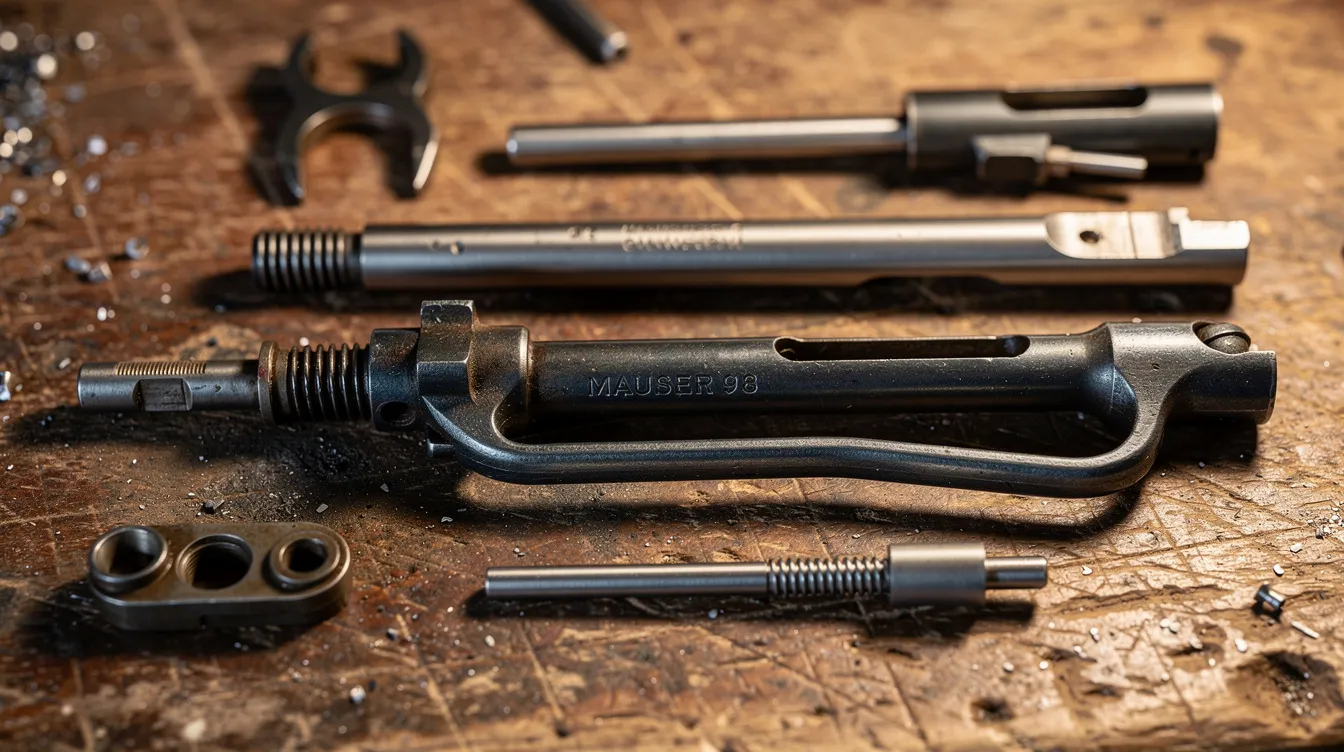
Quick Answer: When Should You Replace a Mauser 98 Bolt Handle?
Replace your mauser 98 bolt handle when you observe visible cracks or bending at the handle root, sloppy or porous welds from previous modifications, persistent binding during bolt lift, poor ergonomics, scope interference, or when building a high‑quality custom rifle on a surplus action.
Here's a closer look at the main triggers:
- Safety damage. Any crack, fracture, or deformation near where the handle joins the bolt body is a stop-shooting-now issue. Do not fire the gun until a qualified gunsmith inspects and either repairs or replaces the handle.
- Function problems. If the bolt binds during lift, feels rough through its travel, or the cocking piece behaves inconsistently, the handle or its attachment may be compromised. Frequent failures to feed and extract may indicate worn parts across the bolt assembly.
- Modernization. Adding a scope with a large objective bell, converting the rifle to a new caliber, or simply wanting faster bolt manipulation for hunting are all valid reasons.
- Sporterization and re barreling. Post-WWII, many Mauser 98 rifles were modified for hunting. Norway re-barreled seized Mausers to use .30-06 ammunition in 1953, and post-WWII, Mauser production resumed in West Germany with commercial models. Post-war Mauser rifles featured ergonomic stocks and reshaped bolt handles, setting the template for modern upgrades. Converting to .30-06 may require magazine modifications alongside a new barrel and handle swap. The stripper clip guide was removed from newer Mauser models intended for sporting use.
- Common surplus sources. Whether you purchased a K98k, a Swedish M96, or one of the many Turk Mausers that hit the surplus market, a bunch of these rifles came with handles that were already modified by a previous owner, sometimes poorly.
Safety‑Critical Signs of Wear, Damage, or Poor Workmanship
Safety comes before originality or aesthetics. If you're in doubt about your bolt handle, have a competent gunsmith inspect the entire bolt assembly, including the firing pin, cocking piece, and extractor. Never inspect a loaded rifle; always clear the chamber first.
Visual Red Flags
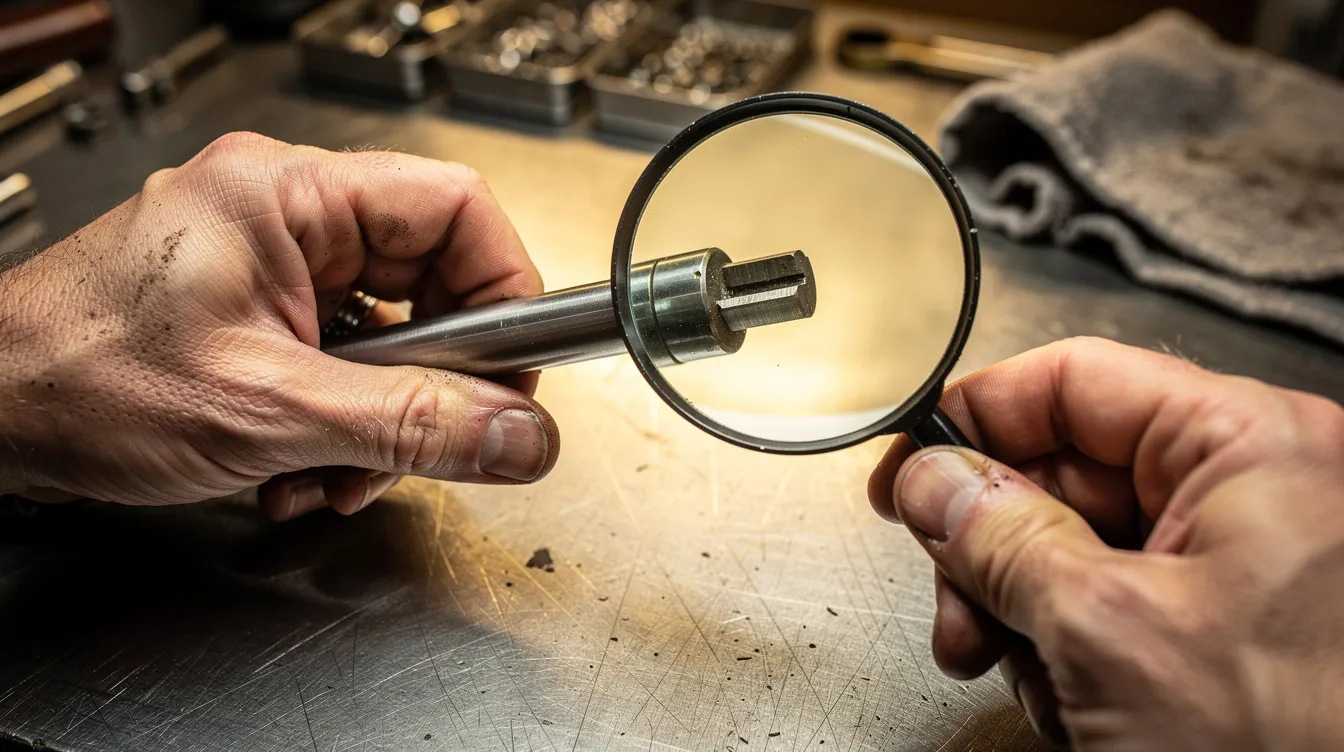
Under good light and magnification, look for:
- Hairline cracks around the bolt root or where the handle meets the bolt body
- Porous, undercut, or uneven welds from previous handle modifications
- Heat discoloration (straw, blue, or purple tones) suggesting the metal was overheated during past work
- Deep corrosion or pitting at stress points - corrosion and surface damage can indicate neglected maintenance
- Inspect for cracks or excessive wear around the locking lug area, as these directly affect lockup strength
- Cracks or deformation in the receiver make a mauser rifle unsafe to fire
Functional Warning Signs
- Bolt handle flexing or giving under lift pressure
- Inconsistent cocking feel or difficulty unlocking after firing standard ammo
- Light primer strikes, which may result from a worn firing pin spring rather than the handle, but often co‑occur in neglected bolt assemblies
- Any sudden change in bolt lift effort that isn't related to the cartridge or chamber
Headspace is the most critical safety check for Mauser rifles. Signs of excessive headspace include failure to close on a No-Go gauge, and excessive headspace can lead to dangerous pressure issues. If you notice any of these symptoms, stop shooting and get a professional evaluation.
Many surplus mauser 98 rifles were "bubba‑sporterized" in the 1950s–1970s. A forum post from a member on a popular gunsmithing community told the story of a tiny crack at a brazed handle joint that eventually failed under fire. If you see evidence that a bolt handle was cut and rewelded without proper jigging, replacement with a correctly fit Oberndorf‑style handle is often safer than trying to salvage poor work.
Ergonomics, Scope Clearance, and Performance Limitations
Even a structurally sound bolt handle can limit performance when you start putting modern optics on a mauser 98 or shooting from field positions.
Scope clearance is often the first issue. Original straight or modestly bent handles frequently contact low‑mounted scopes, particularly with 1‑inch and 30 mm tubes in modern rings. The knob may strike the scope bell or eyepiece on bolt lift, forcing you to mount the scope higher than ideal, which hurts cheek weld and accuracy. Barrel throat erosion and muzzle wear can also affect accuracy over time, but the bolt handle is the ergonomic bottleneck many shooters notice first.
Poor ergonomics show up as an awkward wrist angle, difficulty working the bolt quickly from prone or offhand, or an uncomfortable knob that's too small or oddly shaped. If you're chasing deer through timber and need a fast reload on a follow‑up shot, these details matter. Excessive stock wear and damage can compound the problem, affecting both safety and how the rifle shoulders.
For competition shooters or serious hunters, the difference between a clumsy bolt throw and a smooth, positive cycle translates to less movement off target between shots, reduced fatigue during long range sessions, and better overall performance. Inspect the bore for rust or pitting before use, as accuracy issues sometimes get blamed on the bolt handle when the barrel is actually the culprit.
Why Upgrade to an Oberndorf‑Style Mauser 98 Bolt Handle?
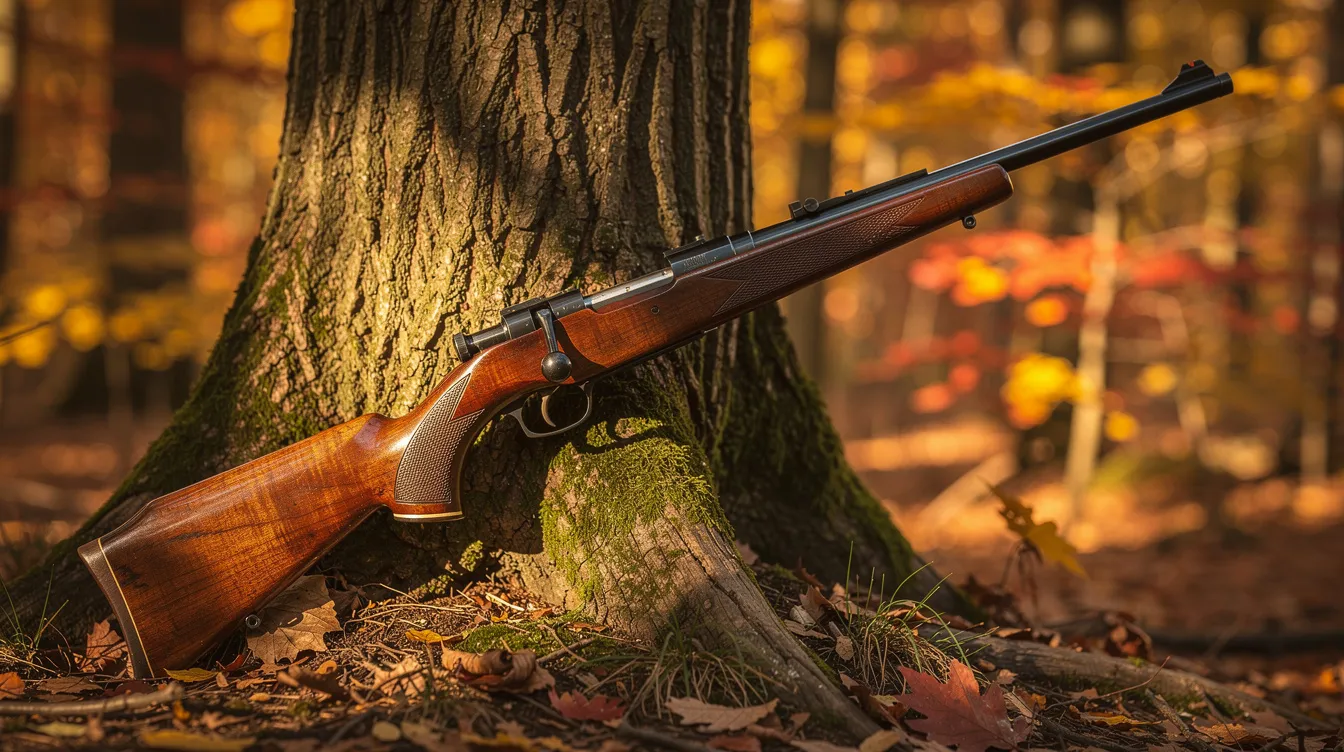
An Oberndorf‑style bolt handle traces its lineage to the commercial sporter rifles manufactured by Waffenfabrik Mauser at Oberndorf am Neckar in the early 20th century. These original Mauser 98 sporters featured gracefully swept handles with round knobs, optimized for the demands of hunting rather than trench warfare.
Ergonomic Benefits
The swept profile provides a more natural hand position, improved leverage for bolt lift and closing, and easier reach for shooters with different hand sizes. When you're running a scope-equipped rifle, every degree of handle sweep matters for clearing glass and maintaining speed.
Handling Advantages
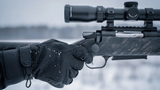
Faster, more positive bolt manipulation means better control when cycling quickly from the shoulder. The round knob shape reduces the risk of slipping under stress or with wet, gloved hands, which any guy who hunts in cold weather can appreciate.
Aesthetics and Compatibility
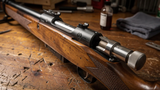
Oberndorf‑style handles complement classic walnut stocks, match traditional german custom rifle lines, and visually belong on a refined mauser 98 build. If you're hoping to create a nice rifle with real heritage appeal, this handle style carries serious history.
Reliability and Construction
Modern aftermarket Oberndorf‑style handles are typically forged or machined from quality steel, attached with professional welding and heat-treat practices that maintain the integrity of the bolt body and receiver ring interface. This is a meaningful upgrade over the rough, shiny weld beads and questionable metallurgy found on many old sporterization jobs.
Step‑By‑Step Inspection: How to Evaluate Your Existing Bolt Handle
Before you spend money on a replacement, assess what you have. Clear the rifle, remove the bolt, and work at a clean bench with good lighting.
Visual Inspection
- Examine the bolt handle root and junction with the bolt body. Look for cracks, grinding marks, or file marks near the receiver ring that suggest past modifications.
- Inspect the underside of the handle where old welds often hide. A tip here: use a flashlight at a low angle to reveal surface irregularities.
- Check for heat discoloration or warping that indicates prior aggressive torch work or re-bending.
Functional Checks
- Reassemble the bolt (without the firing pin for safety) and test bolt lift and closing with inert dummy rounds. Feel for binding, rough spots, or inconsistent cam action.
- Confirm the handle clears any mounted scope and doesn't contact the stock during cycling. Apply inletting black to the handle and cycle it - contact points will show clearly.
- A high-quality mauser barrel can last between 12,000 and 15,000 rounds, and proper cleaning and maintenance significantly extend barrel life. While you're inspecting the bolt, check the bore condition too. Note that 8mm Mauser brass can be formed from .30-06 cases if you're also evaluating caliber options.
Ergonomic Assessment
Estimate handle length and angle relative to the trigger guard. If you need to stretch awkwardly or break your cheek weld to cycle the bolt, an Oberndorf‑style replacement will make a meaningful difference in the field.
Replacement and Upgrade Considerations (Preserving Value vs. Performance)
Not every mauser 98 should be modified. If a Mauser is a matching-numbers collector piece, modifications can reduce its value significantly. The fair thing to do with a historically significant rifle is preserve its original configuration.
For common surplus actions, the calculation changes. A hunter putting together a deer rifle from a mismatched K98k should prioritize a safe, ergonomic bolt handle over originality. A target shooter optimizing for speed at the range has similar priorities.
When you're talking about a full build, the bolt handle swap often happens alongside other upgrades: a new barrel in a different caliber, an improved stock, better bottom metal, and trigger work. Replacement of worn small parts can restore the performance of a mauser 98, and evaluating the cost of a new barrel versus the rifle's value is important. Rebarreling a Mauser 98 can cost around $200, which is a fair price point for transforming a surplus action into something special. Consider rebarreling if accuracy drops significantly, and replace the barrel if it shows significant wear or damage.
Many Mauser 98 rifles were modified for hunting after WWII across Europe. Norway re-barreled Mauser rifles in 1953 for .30-06 ammunition, and the Mauser 98 can be converted to .30-06 caliber with appropriate gunsmith work.
Keep original parts when practical, stored and labeled for provenance. Document any mod you make - dates, smith, parts used - so future owners understand the rifle's history.
Installation Basics: How a Mauser 98 Bolt Handle Is Properly Replaced
Replacing or welding a bolt handle is advanced gunsmithing. This is not a kitchen‑table project. A qualified professional with appropriate jigs, fixtures, and heat‑treat knowledge should handle the work.
The Professional Process
- Disassembly. The gunsmith fully strips the bolt: removing the firing pin, spring, bolt sleeve, and shroud.
- Handle removal. The old handle is cut or machined off. Any remaining weld material is cleaned from the bolt body.
- Fitting. The new Oberndorf‑style handle is precisely positioned using a jig that ensures correct angle and alignment relative to the receiver and locking lugs.
- Welding. TIG welding is preferred for controlled heat input. Post-weld stress relief helps prevent residual stress and maintains bolt body hardness.
- Refinishing. The assembly is polished, blended, and finished (blued, parkerized, or Cerakote).
- Testing. Go/no-go gauges verify headspace, smooth cycling is confirmed, safe firing pin protrusion is measured, and scope and stock clearance are checked with the new handle fitted.
Replace the firing pin spring every 5,000 rounds as part of routine bolt maintenance, regardless of whether you've upgraded the handle. The rear of the bolt assembly, including the shroud and safety, should also be inspected during installation.
The mauser 98 relies on welded or forged-in handles. Unlike some modern platforms with threaded or clamped handles, DIY installation without training carries real risk with this system.
Buying Advice: Choosing a Quality Oberndorf‑Style Bolt Handle and Related Parts
Bolt handles and bolt bodies are safety‑critical. The price difference between a well-made part and a cheap import can be the difference between a rifle that sounds right and one that actually is right.
Selection Criteria
- Material. Look for quality alloy steel, properly heat-treated. Avoid handles that are too soft (they deform) or too brittle (they fracture).
- Manufacturing method. Forged or CNC-machined handles outperform rough castings.
- Shank size. Must match your mauser 98 bolt body precisely. Large ring vs. small ring receiver variants require different fits.
- Profile. Ensure the sweep clears your intended scope, from a 3-9x hunting optic to a 30 mm tactical tube. The handle shouldn't require you to drill extra holes in the stock or run excessively high mounts.
The Overall Build
Consider how the handle fits your complete project. Stock design, scope height, iron sights or no sights, intended use - mountain hunting, driven game, range work - all influence the ideal handle geometry. You might also want to purchase a low-safety, new bolt shroud, or improved firing pin assembly at the same time.
Verify compatibility with your specific action. A handle sold for a factory commercial mauser may not fit a military receiver without modification. Ask about the bolt face dimensions if you're changing caliber.
Seek documentation, installation notes, and warranty coverage. Parts with a track record in hunting and target use are worth the extra cost over unproven generic imports you might find from some guy at a gun show hoping to sell off a mixed lot.
Care, Maintenance, and Long‑Term Reliability of Your New Bolt Handle
A properly installed Oberndorf‑style handle should last for decades with basic care. That said, regular inspection catches problems before they become dangerous.
Routine Maintenance
- Lightly oil the bolt exterior, including the handle and knob, after each range session.
- Wipe down after exposure to rain, sweat, or coastal air. Proper cleaning and maintenance significantly extend the life of every component.
- Avoid harsh abrasives that strip protective bluing or coatings from the metal surface.
Inspection Schedule
- Every few hundred rounds or annually: Check the weld area and handle root for new cracks, looseness, or corrosion.
- After any hard impact: If you drop the rifle or bang it against rocks, check handle alignment immediately. Even a fine impact can shift a handle if the weld wasn't fully sound.
- High-round-count use: If you're running the rifle hard at competitions or training, schedule a gunsmith checkup that covers the entire bolt assembly - bolt body, firing pin, extractor, and handle.
Hunters in wet, snowy, or coastal climates should inspect more frequently. A rifle that looks fine in the safe may be developing problems that only show under magnification.
FAQ: Mauser 98 Bolt Handle Replacement
These questions address common concerns not fully covered above, drawing from real-world ownership scenarios.
Does replacing the bolt handle affect headspace?
Replacing the bolt handle alone typically does not change headspace, since headspace is determined by the relationship between the bolt face, locking lugs, and chamber. However, if the bolt body is modified or heated excessively during welding, headspace can shift. A competent gunsmith will always verify headspace with go/no-go gauges after any bolt work.
How long does it take a gunsmith to install an Oberndorf-style handle?
Turnaround varies, but most experienced gunsmiths complete the job in one to three days of bench time, not counting shipping or finish work. If you're also having the rifle re barreled or the stock inlet, expect the total project to take several weeks. Budget accordingly, as many smiths have waiting lists.
Does changing the bolt handle change my rifle's legal classification?
In most jurisdictions, modifying a bolt handle does not alter the legal status of a bolt-action rifle. However, laws vary by region, and some countries regulate certain firearm modifications. Always check local and federal regulations before making changes, particularly if you plan to sell or export the rifle.
Should I replace just the handle or the entire bolt?
If your bolt body is in good condition with intact locking lugs and a clean bolt face, replacing only the handle is the most cost-effective approach. If the bolt shows wear across multiple components - missing or chipped extractor, worn cam surfaces, pitting on the body - purchasing a complete replacement bolt and having the handle installed on that may be smarter, especially when you're converting a surplus action into a dedicated hunting or custom build.
Will a new bolt handle improve accuracy?
A bolt handle upgrade alone won't tighten your groups. Accuracy depends on the barrel, chamber, bedding, ammo, and trigger. What a better handle does improve is your ability to cycle the action smoothly and quickly, maintain your position behind the scope, and reload faster. For a shooter already running quality ammo through a well-maintained bore, the handle upgrade completes the ergonomic picture rather than changing ballistic performance.